

Choosing the Right Wetsuit, Hiker or Skiff Suit
Sailing and windsurfing in the South of the UK offers some of the best conditions in the country — from breezy Solent race days to blustery Weymouth training sessions and thermals along the south coast.
For dinghy sailors in particular, the decision between a wetsuit, hiking pants, or skiff suit can make the difference between hiking hard all day or calling it early due to cold, fatigue, or discomfort.
Here, we break down what to look for, based on real UK conditions, and give some top tips to finding the right kit.
1. Understand South Coast conditions first
Before choosing any sailing wetsuit or technical clothing, consider:
- Water temperature (often colder than the air, even in summer)
- Wind chill, especially in exposed venues like Hayling Island or Portland Harbour
- Session length — short races vs all-day training
- Boat type — ILCA/Laser, 420, 470, skiff, foiling dinghy, Windsurfing, Wing Foiling
- Activity level — hiking, trapezing, repeated dips
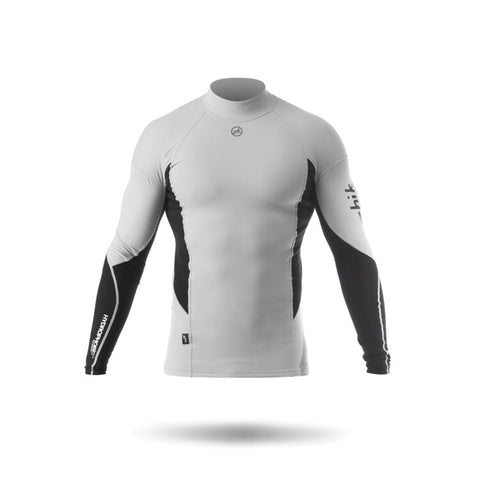
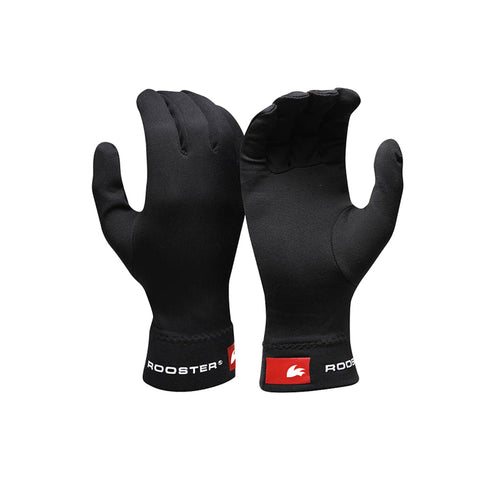
In the South of the UK, sailors benefit most from layering systems rather than one thick garment. View more on layering systems here.
2. Choose the right thickness of wetsuit
- 2–3mm wetsuits are ideal for summer dinghy sailing and windsurfing.
- 3–4mm wetsuits are better for spring and autumn, especially in colder water.
- And 5mm wetsuits are best for winter sailing.
For active sports like dinghy sailing and windsurfing, too much thickness can reduce mobility, so either team your suit with a thermal base layer, or look for innovative neoprenes with four-way super stretch.
3. Understand wetsuit features and what they're for
Unlike surf wetsuits, sailing wetsuits should have:
- Pre-bent legs and arms for hiking comfort
- Stretch panels behind knees, hips, and shoulders
- Minimal seams in pressure points
- Reinforced knees and seat for cockpit wear
- Fleece-lining for a dry feel against the skin when out of the water
Fit tip: A wetsuit should feel tight when dry. Any looseness will worsen once wet and reduce warmth.
4. Hiking pants (Hikers) are great for Dinghy Sailor’s
Hiking pants are hugely popular with UK hiking dinghy sailors, especially in classes like the ILCA, Finn, and 470. A common mistake is choosing hikers that feel comfortable standing up but dig in once hiking. Always test them in a seated, leaned-back position.
When Hikers Work Best
- Cold water, high-intensity sailing
- Long upwind legs where hiking performance matters
- Spring and autumn conditions common in the South of England
What to Look For in Hiking Pants
- Stiff but comfortable battens for sustained hiking
- Wide thigh panels to distribute load
- High waist or shoulder straps to prevent slipping
- Non-slip seat and abrasion protection
5. Small details make a big difference
Knowing the key features of your suit and how they can help is a great way to help you make the right choice. Look for:
- Flatlock or glued seams to prevent chafing
- Soft linings around neck and cuffs
- No bulky zips where you sit or bend
- Reinforced panels where you contact the boat
------
Well-chosen kit doesn’t just keep you warm — it helps you sail harder, longer, and with more confidence. Final tips:
- Prioritise mobility over thickness
- Focus on fit rather than brand
- Choose layering systems over single heavy garments
- Invest in sailing-specific clothing
Remember, you don't have to be the best to wear the best. The right kit can help you enjoy your time out on the water, for longer.